
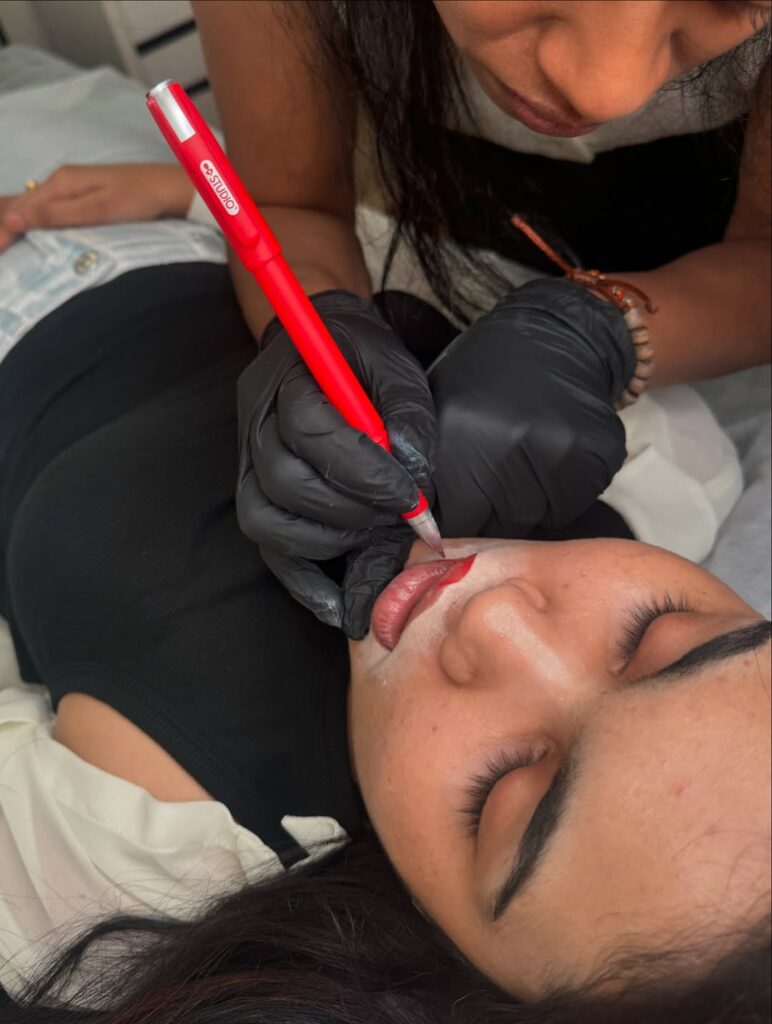
1. Introduction: The Art and Science Behind Lip Neutralization
In recent years, lip neutralization has become one of the most sought-after semi-permanent makeup procedures. For individuals with darker or unevenly pigmented lips, traditional lip tinting or lipstick often fails to deliver balanced, natural results. This is where dark lip correction steps in — a professional pigmentation process that restores harmony to your natural lip color.
But lip neutralization isn’t just about beauty. It’s about confidence, self-expression, and empowerment through scientifically informed artistry. To understand its true value, we must explore how it works, the science behind pigment correction, and why it matters for both skin health and emotional well-being.
2. What Is Lip Neutralization?
Lip neutralization is a specialized form of cosmetic tattooing designed to balance and even out the natural tone of the lips. Unlike standard lip blush treatments, lip neutralization focuses on correcting discoloration caused by melanin, hormonal imbalances, smoking, or genetics.
How It Works:
- A certified technician analyzes your lip undertones — usually bluish, brown, or purplish hues.
- Using color theory, they apply pigments in corrective shades (such as peach, orange, or warm coral tones) to neutralize the darker pigment.
- Once neutralized, a second session may add a desired tint or blush, enhancing your lip’s natural tone.
This process does not bleach the lips or change the natural structure. Instead, it harmonizes color by layering pigment that interacts semantically with your lip’s melanin — producing a balanced, even-toned appearance.
3. Understanding Dark Lip Correction: The Deeper Context
While lip neutralization focuses on undertone balancing, dark lip correction is the broader procedure aimed at addressing all causes of hyperpigmentation in the lips.
Common Causes of Dark Lips:
- Genetics: Natural melanin concentration varies by ethnicity and genetics.
- Lifestyle factors: Smoking, dehydration, and excessive caffeine intake can darken lips over time.
- Hormonal shifts: Pregnancy, stress, or thyroid conditions can alter pigment production.
- Sun exposure: UV damage can increase lip melanin, creating uneven tones.
Why It Matters:
From a dermato-cosmetic perspective, lip pigmentation reflects not only aesthetic beauty but also skin health and self-esteem. Uneven tones can affect how people perceive themselves and how they express emotions through facial gestures — especially in professional and social settings.
4. The Lip Neutralization Process Step-by-Step
Semantic SEO requires contextual hierarchy — meaning we go from macro context (overall process) to micro context (specific stages) to maximize responsiveness and topical depth.
Step 1: Consultation and Skin Analysis
A trained artist evaluates your lip color, texture, and undertones. They’ll also discuss medical history to ensure there are no contraindications such as cold sores or skin conditions.
Step 2: Prepping and Numbing
The lips are gently exfoliated and cleaned. A topical anesthetic minimizes discomfort, allowing for a calm, precise procedure.
Step 3: Pigment Neutralization
Using a digital micropigmentation machine, the artist deposits warm-toned pigments into the upper dermal layer. The pigment interacts with your lip’s existing melanin to neutralize discoloration.
Step 4: Healing and Color Transformation
Immediately after the session, lips may appear vibrant or orange-toned. Over the next few weeks, the pigment softens, revealing a more natural, balanced lip color.
Step 5: Touch-Up Session
Most clients require a second session after 6–8 weeks to refine tone and ensure even coverage.
5. The Science of Color Correction in Lip Neutralization
At its core, lip neutralization is guided by color theory — the same science used in makeup artistry and pigmentology.
- Orange and coral tones cancel out blue and purple hues.
- Peach and warm pinks reduce brownish or cool undertones.
- Custom blending ensures the pigment matches the client’s undertone and skin depth.
This entity-attribute-value (EAV) relationship between pigment (entity), tone (attribute), and lip color (value) creates a semantic connection — aligning cosmetic art with biological precision, just as Semantic SEO aligns context with search intent.
6. Benefits of Lip Neutralization and Dark Lip Correction
- Restores Natural Lip Color: Evens out pigmentation without the need for daily lipstick.
- Long-Lasting Results: Can last up to 2–3 years with proper aftercare.
- Customizable Shades: From subtle nude to rich coral, each result is tailored to the individual.
- Confidence Boost: Enhances appearance while maintaining natural beauty.
- Non-Surgical Solution: A safe alternative to invasive cosmetic procedures.
7. Healing, Aftercare, and What to Expect
After treatment, the lips may feel slightly swollen and appear more pigmented than expected. Healing typically occurs in 5–10 days, during which:
- Avoid makeup and spicy foods.
- Keep lips moisturized with a recommended healing balm.
- Avoid sun exposure and swimming until fully healed.
Over time, the pigment will soften and blend, resulting in a natural, healthy tone.
8. Why Lip Neutralization Matters Beyond Aesthetics
In Semantic SEO terms, this section shifts from the core topical intent (procedure mechanics) to the outer topical context (emotional and psychological significance).
A Symbol of Self-Acceptance
Dark lip correction is more than pigment adjustment — it’s a symbol of self-acceptance and empowerment. For many with darker complexions or melanin-rich skin, it bridges cultural beauty norms and personal expression.
Confidence and Communication
Even-toned lips enhance non-verbal communication. Subtle improvements in lip tone can uplift self-image and comfort in public or professional interactions.
Cultural Inclusivity
By understanding diverse lip tones and undertones, professionals ensure inclusive beauty standards — making this treatment a meaningful evolution in the global aesthetics industry.
9. Possible Risks and Considerations
Although the procedure is generally safe, it’s essential to work with certified professionals.
Potential risks include:
- Temporary swelling or dryness
- Minor pigment fading or uneven healing
- Rare allergic reactions to pigments
Pre-procedure allergy testing and aftercare adherence significantly reduce these risks.
10. Final Thoughts: Why It’s More Than a Beauty Trend
Lip neutralization and dark lip correction are redefining beauty by merging art, science, and self-expression. It’s not about changing your natural features but about restoring balance and harmony to what already exists.
This innovative approach celebrates individuality — ensuring that every shade of lip tone can look healthy, radiant, and authentically beautiful.
Whether you’re addressing hyperpigmentation or simply seeking a more even tone, lip neutralization is a confident step toward embracing your natural beauty — with modern precision and timeless artistry.
Conclusion
The journey toward balanced, natural lip tones goes beyond aesthetics. It’s a personal, empowering experience grounded in color science and emotional wellness. By harmonizing pigment and tone, lip neutralization helps individuals feel more aligned with their reflection — confident, radiant, and authentic.