
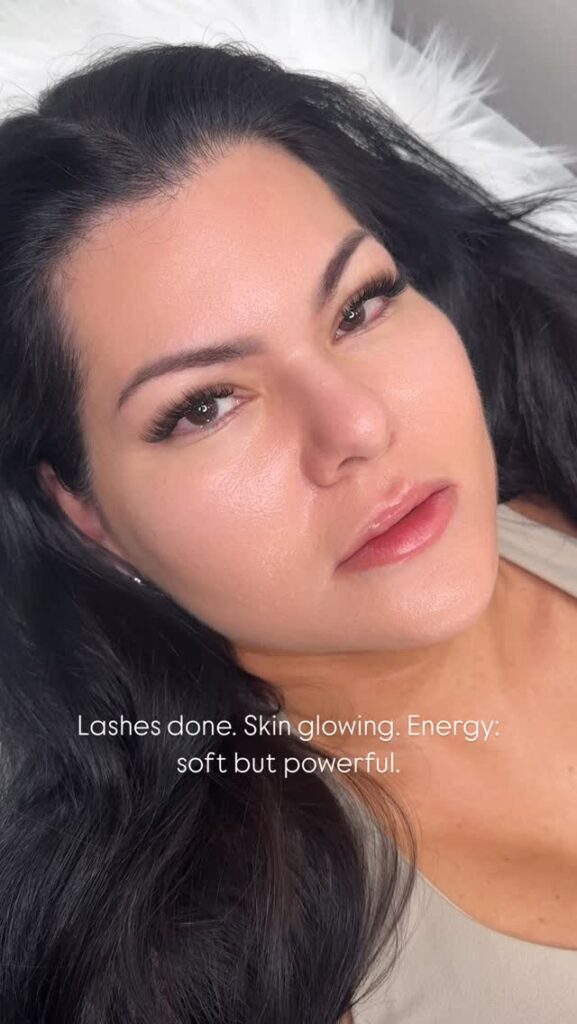
Permanent makeup can be life-changing—but many first-time clients walk into their appointment with misaligned expectations. From healing timelines to color changes, there are important realities that aren’t always obvious from Instagram photos or quick consultations.
If you’re considering permanent makeup for the first time, here’s what I truly wish every client knew before sitting in the chair.
1. Permanent Makeup Is a Process, Not a One-Day Result
One of the biggest misconceptions is expecting final results immediately after the first session.
In reality:
- Initial results appear darker and bolder
- Healing includes fading, flaking, and color softening
- A touch-up appointment (usually 6–8 weeks later) is essential
Your final healed results are only visible after the full healing cycle, not day one.
2. Swelling, Redness, and Sensitivity Are Normal
Permanent makeup is a controlled cosmetic tattoo, which means the skin experiences minor trauma.
You may experience:
- Mild swelling (especially with lips and eyeliner)
- Redness around the treated area
- Temporary tenderness
These effects usually subside within a few days and are part of the body’s natural healing response.
3. The Color Will Look Too Dark at First—And That’s Okay
Fresh permanent makeup often looks 30–50% darker immediately after the procedure.
This happens because:
- Pigment sits closer to the skin’s surface
- Oxygen exposure deepens color initially
- Scabbing and peeling alter appearance
As healing progresses, the color softens into a more natural tone.
4. Healing Is Not Always Pretty (But It’s Temporary)
Flaking, patchiness, or uneven fading during healing can be unsettling—especially for first-time clients.
Important things to know:
- Scabbing is part of the healing phase
- Uneven fading is common before touch-up
- Picking or scratching can cause pigment loss
Trust the process—your artist accounts for healing behavior during the initial design.
5. Permanent Makeup Is Custom—Not Copy-and-Paste
What looks good on one person may not work for another.
Your artist considers:
- Skin type and undertone
- Facial structure and symmetry
- Lifestyle and maintenance expectations
Photos are inspiration, not guarantees. Permanent makeup should enhance your unique features, not replicate someone else’s face.
6. Aftercare Matters More Than You Think
Even the best application won’t last without proper aftercare.
Poor aftercare can lead to:
- Premature fading
- Patchy results
- Increased need for corrections
Following your artist’s aftercare instructions directly impacts retention, longevity, and color stability.
7. Permanent Makeup Still Requires Maintenance
Despite the name, permanent makeup does fade over time.
Factors affecting longevity include:
- Skin type (oily skin fades faster)
- Sun exposure
- Skincare products and exfoliation
- Lifestyle habits
Most clients need a color boost every 1–3 years to maintain optimal results.
8. It’s Not Pain-Free—but It’s Manageable
Pain tolerance varies, but permanent makeup is generally uncomfortable—not unbearable.
What helps:
- Topical numbing agents
- Short breaks during the session
- Clear communication with your artist
Many clients say the anticipation is worse than the actual procedure.
9. Permanent Makeup Won’t Replace All Makeup
Permanent makeup enhances features—it doesn’t eliminate makeup entirely.
For example:
- Brows still benefit from occasional styling
- Lip blush enhances color but doesn’t replace lipstick
- Lash enhancement adds definition, not dramatic volume
Think of it as a foundation, not a full glam replacement.
10. Choosing the Right Artist Matters More Than Price
Permanent makeup course is a long-term decision. Choosing an inexperienced or unqualified artist can result in costly corrections—or removal.
A professional artist will:
- Conduct a thorough consultation
- Use high-quality pigments and tools
- Educate you honestly about expectations
Quality, safety, and experience should always come first.
Final Thoughts
Permanent makeup is incredibly rewarding when clients understand the real process, healing journey, and long-term commitment. Education leads to better expectations—and better results.
If you go into your first appointment informed and prepared, you’re far more likely to love your outcome.