
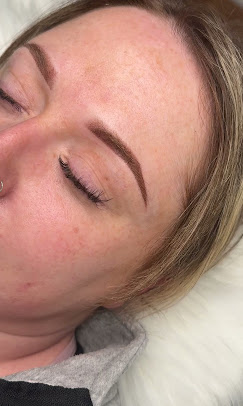
Lash extensions are an investment in beauty and convenience—but their longevity depends largely on aftercare habits. Improper care can cause premature shedding, twisted lashes, or weakened natural lashes. With the right routine, lash extensions can stay full, fluffy, and secure for weeks.
This guide covers essential lash care tips to help your extensions last longer while protecting the health of your natural lashes.
Why Proper Lash Aftercare Matters
Lash extensions are bonded individually to natural lashes using professional adhesive. Daily habits such as rubbing, moisture exposure, or oil-based products can weaken this bond.
Proper lash care helps:
- Extend retention time
- Maintain lash shape and curl
- Prevent irritation or lash damage
- Reduce the need for frequent refills
1. Avoid Water for the First 24–48 Hours
After your lash appointment, the adhesive needs time to fully cure.
What to avoid:
- Washing your face with water
- Steam, saunas, and hot showers
- Swimming or heavy sweating
Keeping lashes dry during this period ensures maximum adhesive strength.
2. Clean Your Lashes Gently (Yes, Cleaning Is Important)
Contrary to old myths, clean lashes last longer. Dirt, oil, and makeup buildup weaken the adhesive over time.
Best practices:
- Use a lash-safe, oil-free cleanser
- Clean lashes 2–3 times per week (or daily for oily skin)
- Pat dry gently—never rub
Clean lashes improve both retention and eye hygiene.
3. Avoid Oil-Based Products Around the Eyes
Oil is the #1 enemy of lash adhesive.
Avoid using:
- Oil-based makeup removers
- Heavy eye creams near the lash line
- Facial oils that migrate to the eyes
Choose water-based or gel-based products to protect your extensions.
4. Don’t Rub, Pull, or Touch Your Lashes
Excessive touching can cause:
- Premature lash shedding
- Twisting or uneven lash direction
- Damage to natural lashes
If your eyes itch, gently tap the area instead of rubbing.
5. Sleep on Your Back or Use a Lash-Friendly Pillow
Sleeping on your side or stomach can crush lashes and weaken the adhesive bond.
Helpful tips:
- Sleep on your back when possible
- Use a silk or satin pillowcase
- Consider a lash extension sleep mask
Reducing friction helps lashes retain their shape and fullness.
6. Brush Your Lashes Daily
Use a clean spoolie brush to gently comb through lashes each morning.
Why brushing matters:
- Prevents tangling
- Keeps lashes aligned
- Maintains a neat, fluffy appearance
Always brush when lashes are clean and dry.
7. Skip Mascara and Eyelash Curlers
Lash extensions in Toronto are designed to replace mascara and curlers entirely.
Using them can:
- Break the adhesive bond
- Cause clumping or lash loss
- Damage natural lashes
If mascara is necessary, use lash extension–safe formulas only on the tips—never at the base.
8. Book Regular Lash Fills
Natural lashes shed every day, which is completely normal. Refills help maintain fullness.
Recommended schedule:
- Every 2–3 weeks for best results
Waiting too long between fills can require a full new set instead of a touch-up.
9. Avoid Heat and Steam Exposure
Excessive heat can soften lash adhesive.
Limit exposure to:
- Steam rooms
- Hot yoga
- Frequent sauna use
If unavoidable, keep sessions short and avoid direct heat on the face.
10. Choose an Experienced Lash Technician
Long-lasting lash extensions start with proper application.
A skilled lash artist will:
- Match extensions to your natural lash strength
- Use correct isolation techniques
- Select high-quality adhesive and materials
Poor application leads to faster shedding—no matter how good your aftercare is.
Final Thoughts
Taking care of your lash extensions doesn’t require complicated routines—just consistent, mindful habits. By avoiding oil, friction, moisture, and improper products, you can significantly extend the life of your lashes while keeping your natural lashes healthy.
Beautiful lashes last longer when treated with care.